Learning
What they learn, and when
Two documents shape what a South African child learns between birth and Grade 3. Here they are in plain words, with the research behind each skill and games to play at home.
Among the official aims of South Africa’s maths curriculum for Grades R to 3 are “a spirit of curiosity and a love of Mathematics” and an “appreciation for the beauty and elegance of Mathematics”.1 Joy, in other words, is policy. For parents of children aged 2 to 8 who want to know what each year will ask of them, it is also a good spirit in which to read CAPS, as the school curriculum is known, and the framework that comes before it.
Before Grade R, the guide is the National Curriculum Framework for Children from Birth to Four, which the Department of Basic Education published in 2015. It has no school subjects. Its six areas are well-being; identity and belonging; communication; exploring mathematics; creativity; and knowledge and understanding of the world. On how small children learn, it is plain: “Babies and young children learn when they play.”2
From Grade R, the Curriculum and Assessment Policy Statement, CAPS, takes over. Its Foundation Phase runs from Grade R to Grade 3, with Home Language, Mathematics and Life Skills in every grade, and a First Additional Language from Grade 1. Under its 2011 timetable, children have 23 hours of teaching a week in Grades R to 2 and 25 in Grade 3, with 7 of them for Mathematics in every grade.1
The Department publishes the Foundation Phase CAPS in all 11 official spoken languages, with a separate Home Language curriculum for South African Sign Language.3 And since the Basic Education Laws Amendment Act came into force in December 2024, compulsory schooling has begun with Grade R.4, 5 Where the roll-out stands is on our page about what children learn in Grade R.
Each page below quotes the documents’ own words, says what the research shows and where it stops, and ends with something to try at home. Our books each practise one of these skills, picked with CAPS as our reference (or the NCF, before Grade R). The books are too new to have been tested themselves, so what this section offers is the research on the skills. Our method section shows which book goes with which school year.
Learning by school year
From the years before Grade R to Grade 2: what each year asks of a child, in the curriculum’s words, and how to help.
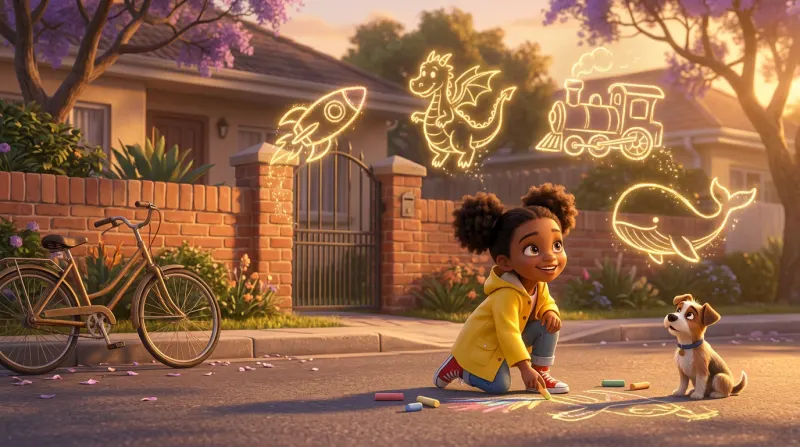
Before Grade R
One, two, I see you
South Africa’s curriculum framework for babies suggests a counting rhyme at nappy time. What the NCF asks of birth to four, and how to help at home.

Grade R
Zero comes last
In Grade R maths, zero arrives last. What CAPS asks of Grade R in maths, language and life skills, term by term, and how to help at home.
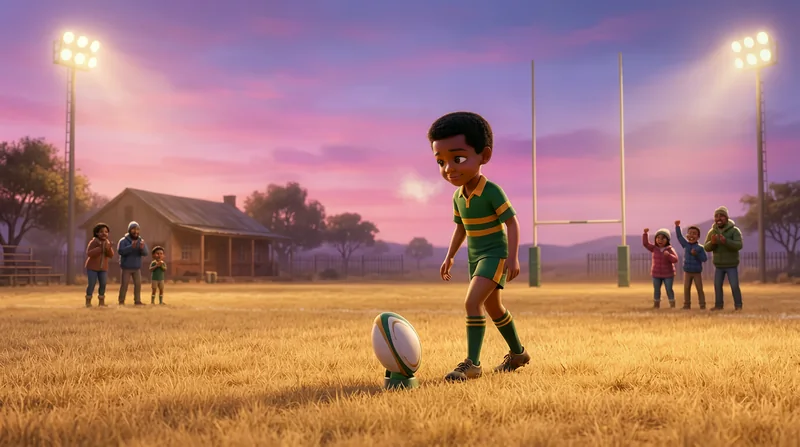
Grade 1
Because she broke a window
Who can start Grade 1, the second language it brings, daily phonics, number bonds to 10, and the Life Skills topic that teaches waiting a turn.

Grade 2
Where eleven hides its ten
Grade 2 under CAPS: number bonds to 20, counting to 200, stories that ask why, a Life Skills topic on conflict, and what Grades 3 and 4 bring.
Learning by skill
Five early skills, from counting to taking turns: how each one grows, what the studies found, and games for each.
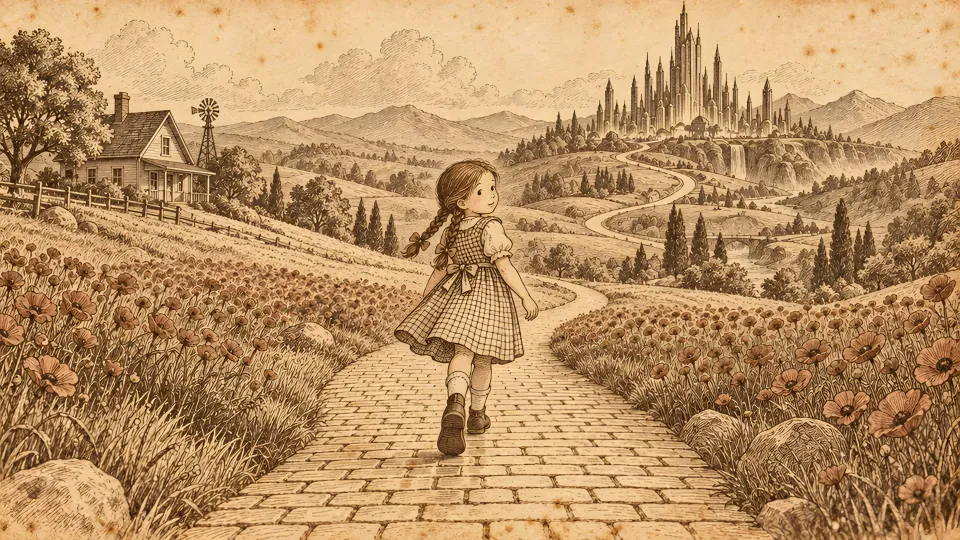
Early maths
The last word counts: how children learn to count
Chanting to ten isn’t the same as knowing what five means. How counting really develops, what Grade R asks, and five games to play tonight.
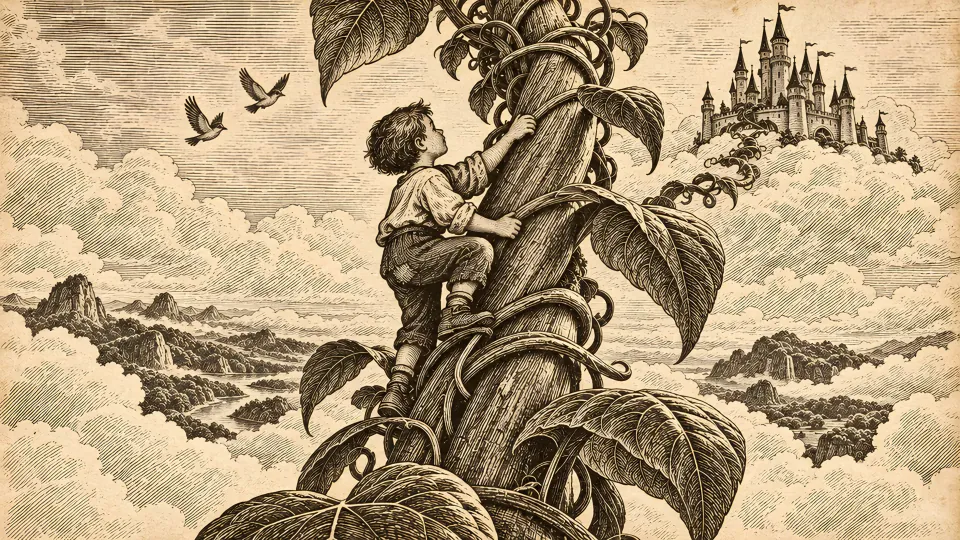
Early maths
The pairs that make ten: a parent’s guide to number bonds
Seven and three make ten. Why the pairs that make ten matter so much, what CAPS asks in Grades 1 and 2, and games with beans, fingers and a ten-frame.
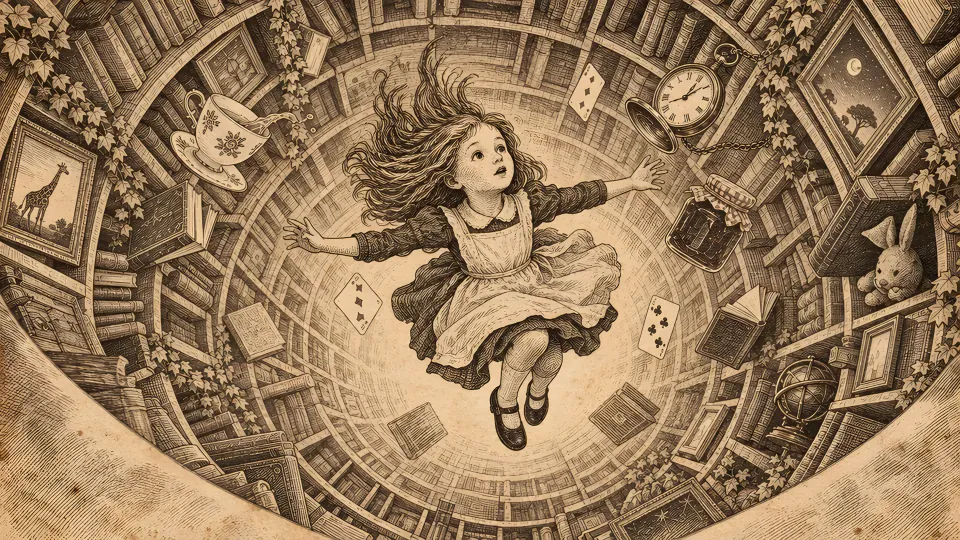
Early reading
Before the letters, the sounds
Charmaine and Shireen share a first sound, Mpho and Michael a first letter. Why reading starts with the ears, what Grade R asks, and games for tonight.
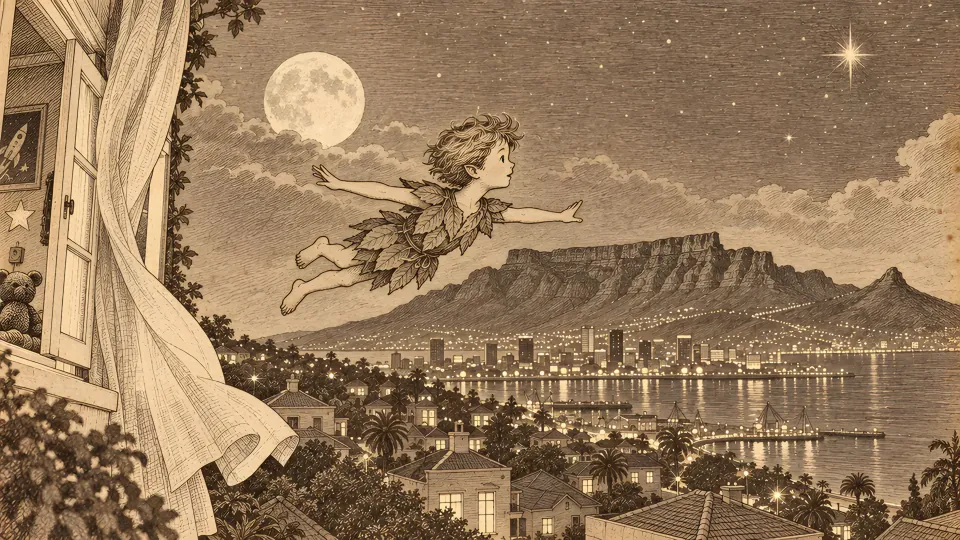
Life Skills
Feelings have names
Naming a feeling seems to quiet the brain’s alarm, at least in adults. What helps children with feelings, what Grade R asks, and when to ask for help.
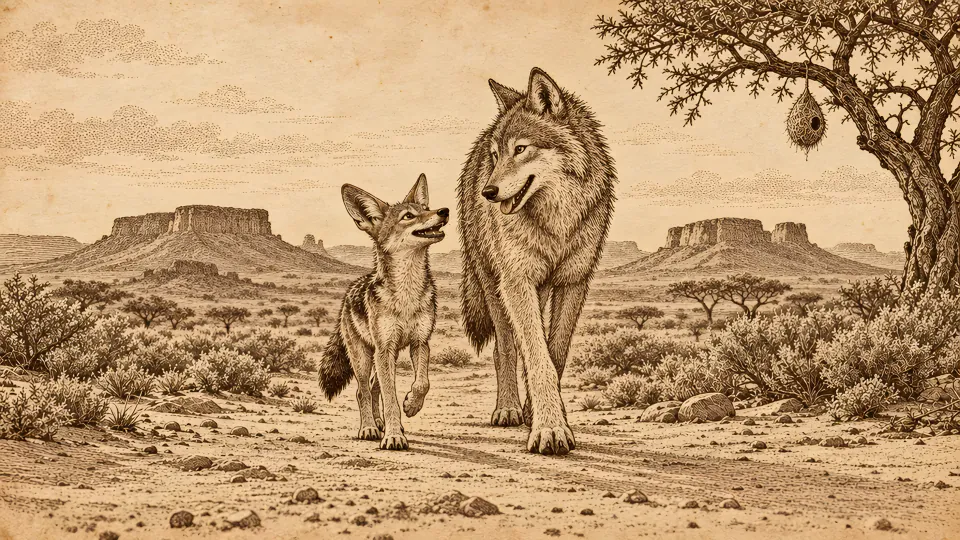
Life Skills
One for you, one for me
In a Swiss study, only 8.7% of three- and four-year-olds shared a sweet when it cost them one. How fairness grows, what CAPS asks, and turn-taking games.
One habit runs through all of these years, and it has a long piece of its own: reading aloud to children, and what the research says. The tales our books retell, and where each one came from, are in the stories.
The curriculum wording in this section is from the Department of Basic Education’s NCF (2015) and its Foundation Phase CAPS documents (2011). CAPS is our reference; the Department of Basic Education doesn’t endorse us.
Sources
- Department of Basic Education (2011). Curriculum and Assessment Policy Statement (CAPS): Mathematics, Grade R. Pretoria: DBE, pp. 6 and 8. education.gov.za (PDF)
- Department of Basic Education (2015). The South African National Curriculum Framework for Children from Birth to Four. Pretoria: DBE, pp. 8 and 15. education.gov.za (PDF)
- Department of Basic Education. Curriculum and Assessment Policy Statements (CAPS): Foundation Phase, Grades R to 3, in each official language. education.gov.za
- Basic Education Laws Amendment Act 32 of 2024, section 2 (amending section 3(1) of the South African Schools Act 84 of 1996). Government Gazette No. 51258, 16 September 2024. gov.za (PDF)
- Minister of Basic Education. Reply to parliamentary question NW1483 (2025): The BELA Act’s commencement on 24 December 2024, and the roll-out of compulsory Grade R. pmg.org.za
Story for Me
A story that stars them.
A personalised picture book for ages 2 to 8, with your child as the hero and one real skill inside. From R249, and nothing to pay until you’ve seen the cover.