Journal
The journal
Long reads on children, stories and learning, with the research behind them, for parents who like to know why.
By one well-known count from the 1980s, children’s books hold more rare words than university graduates use when they talk with their friends: 30.9 in every 1,000 words, against 17.3.1 The journal follows findings like that one back to the studies and on to what they mean at home, in long reads on how children learn from stories, from the sound of their own name to reading in South Africa’s many languages.
Every piece numbers its sources, so you can read the studies for yourself. Where the research is thin, or still argued over, we say so. And because the point of knowing something is doing something with it, the pieces come with ideas to try at bedtime.
Read the journal
The science
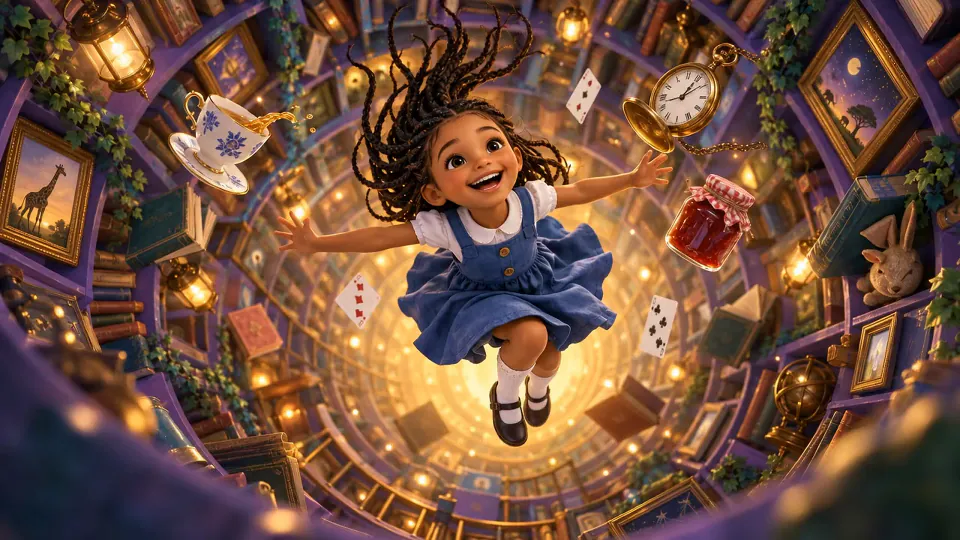
The science of starring
Babies pick out their own name at four and a half months. What that means for a book that stars your child, what studies found, and what they didn’t.

Reading together
What reading aloud does
What reading aloud does for a child’s words and attention, from the Khayelitsha book-sharing trials to bedtime, dads and rereading, with tips by age.
The tales
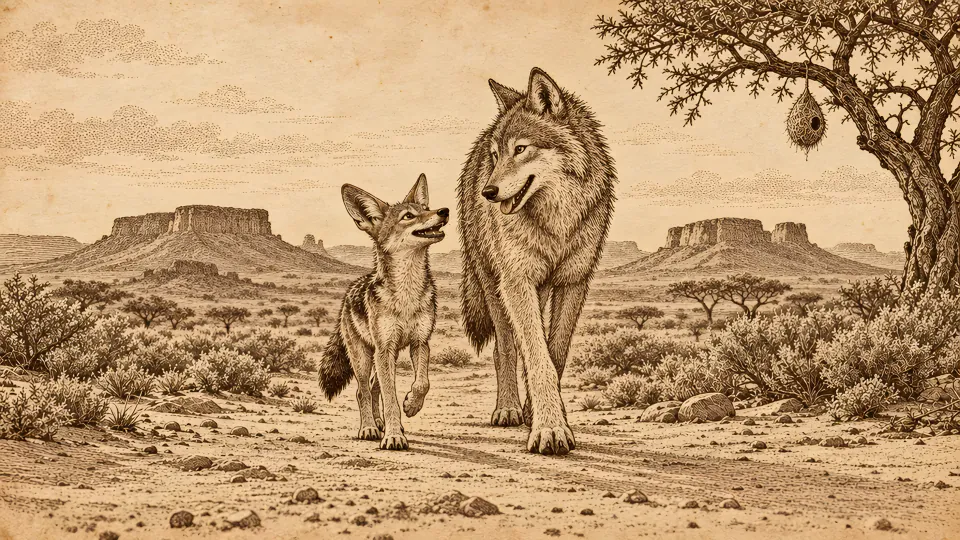
Older than any book
One fairy tale may date back to the Bronze Age. What scholars have found, what Chesterton really said, and South Africa’s own old tales.

Reading in South Africa
The octopus, the test and the hope
What PIRLS 2021 really found about South African children’s reading, the trials already making a difference, and the habits that go with stronger readers.

Languages
Many languages, one bedtime
Twelve official languages, a switch to English in Grade 4. Why learning in the home language first means better English, not worse, and what helps at home.
The psychology
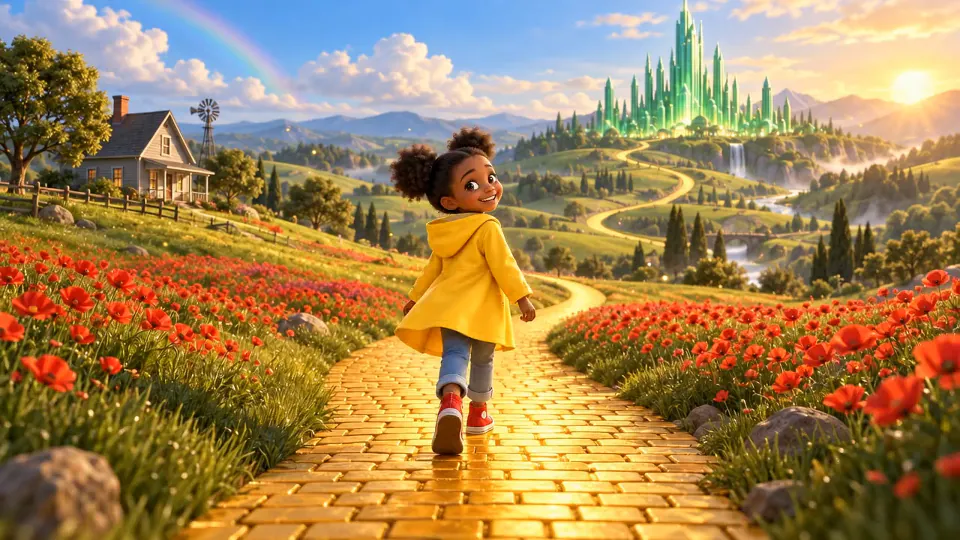
A gift that’s still loved in March
An economist said Christmas presents waste money. What psychologists have found since about price, surprise and sentiment, and what it means for a child.
Elsewhere on the site
Learning explains South Africa’s curriculum for ages 2 to 8, grade by grade, and the skills our books practise, with games for each. Each of our five tales has its own page in the stories, on where it came from and what it practises. And the gift guide goes age by age, for parents, grandparents and godparents.
Sources
- Cunningham, A. E., & Stanovich, K. E. (1998). What reading does for the mind. American Educator, 22(1–2), 8–15 (Table 1, adapted from Hayes, D. P., & Ahrens, M. G. (1988), Journal of Child Language, 15(2), 395–410). aft.org
Story for Me
A story that stars them.
A personalised picture book for ages 2 to 8, with your child as the hero and one real skill inside. From R249, and nothing to pay until you’ve seen the cover.